Mechanical design · Embedded systems
Upper-Limb Rehabilitation Robot
Fall 2024
An integrated wearable prototype supporting hand grasping, wrist rotation and elbow flexion/extension, with opposite-hand IMU input for corresponding wrist movement.
- Mechanism design
- CAD
- STM32
- IMU
- Digital fabrication
From mechanisms to a wearable prototype
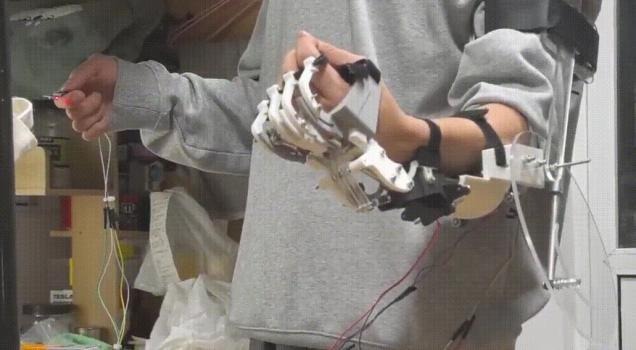
The completed system combines a linear-actuator hand linkage, a belt-driven wrist and a linear-actuator elbow mechanism. Mechanical supports, motor actuation and sensor input were assembled and tested together.
Outstanding Course Project Award. Developed as a Shanghai Jiao Tong University Design and Manufacturing II course project in Fall 2024; the report was completed in January 2025.
Hand grasping through a four-bar linkage
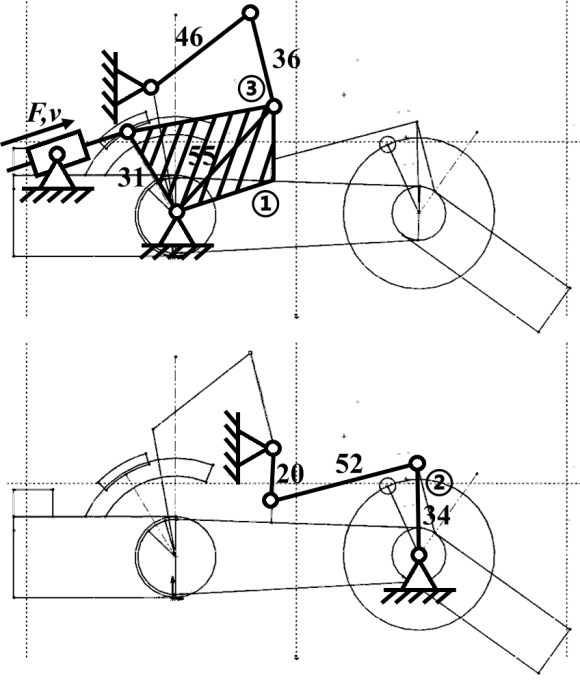
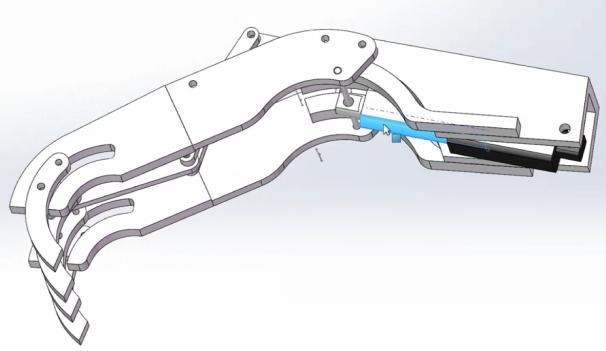
A linear actuator drives a four-bar linkage to couple movement of the hand-back support and the first segments of the four fingers. Extension bends the linked supports into a grasping posture; retraction opens them. Link lengths and attachment positions were adjusted to fit the hand, with supports at the wrist, hand back and finger segments. A separate stop locates the thumb.
Wrist rotation: gears to a synchronous belt
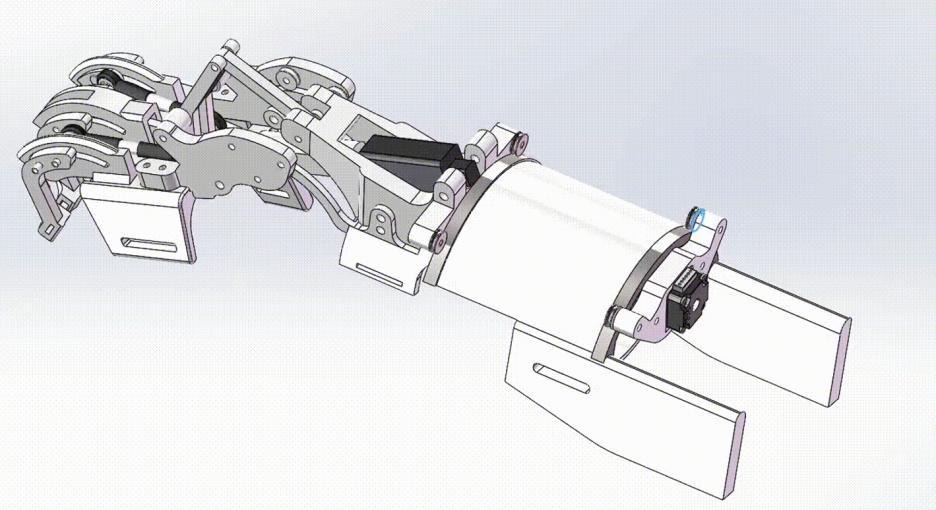
The initial wrist concept used meshing gears. Manufacturing the required gear surfaces added cost and machining complexity, so the detailed design moved to a synchronous belt transmission. The belt-driven assembly connects wrist rotation with the hand module while simplifying fabrication and maintenance.
Elbow motion and adjustable support
A linear actuator mounted along the upper-arm structure drives forearm flexion and extension through a guide mechanism. The original straight-guide concept was revised to a curved guide to reduce variation in the actuator's pressure angle over the motion. The upper-arm support provides several adjustment positions for different arm lengths.
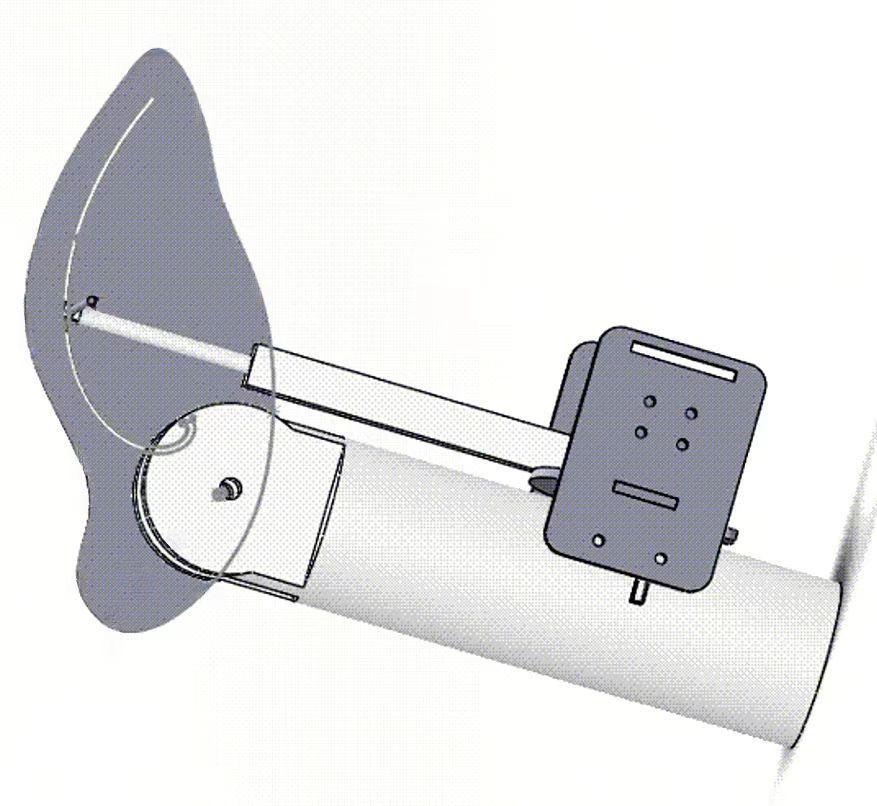
Linkage geometry, support alignment and manufacturability were treated together: the actuator supplies translation, the guide controls the motion path, and the adjustable support locates the mechanism against the arm.
Embedded actuation and bilateral input
The prototype uses a 12 V DC supply and an STM32 microcontroller for motor actuation and sensor communication. The implementation includes PWM initialization, DC motor port control and software I²C communication.
An IMU worn on the opposite hand supplies motion input. Movement of that hand commands corresponding wrist movement on the robot, connecting the wearable mechanism to a bilateral motion interface.
Fabrication, assembly and demonstration
3D printing produced end caps, supports and guide components. Laser cutting was used for larger elbow parts and linkage/guide components, while machining produced higher-strength connectors. Purchased actuators, motors and straps completed the assembly.
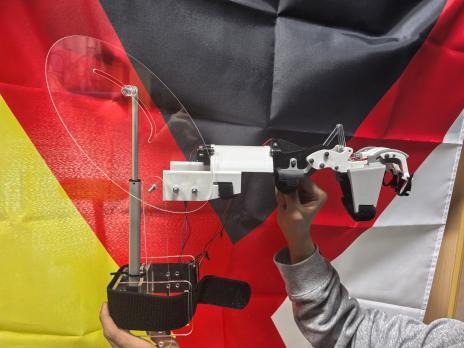
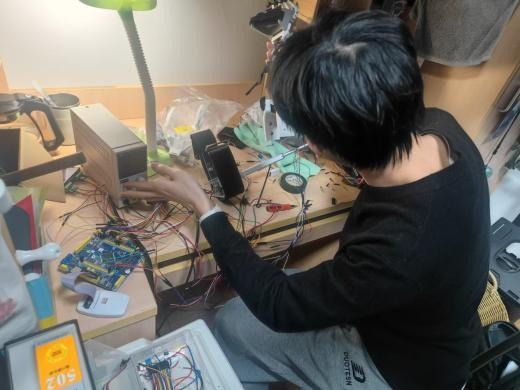
Prototype testing and the wearable demonstration brought together simple grasping, wrist rotation and elbow flexion/extension. Fit adjustment and linkage alignment were practical integration concerns; the demonstrated motions focus on these three functions.
CAD illustrations, mechanism drawings and prototype photos are from the original project report. Open any image for a larger view; the linked report retains its original text and credits.